
Smart Infrastructure for Modern Municipalities
Why municipalities invest
The local government roadmap to economic growth, equity, and clean transit
Economic growth
Equity and access
Health benefits
Future-ready infrastructure
Charging Solutions for Economic Growth and Community Access
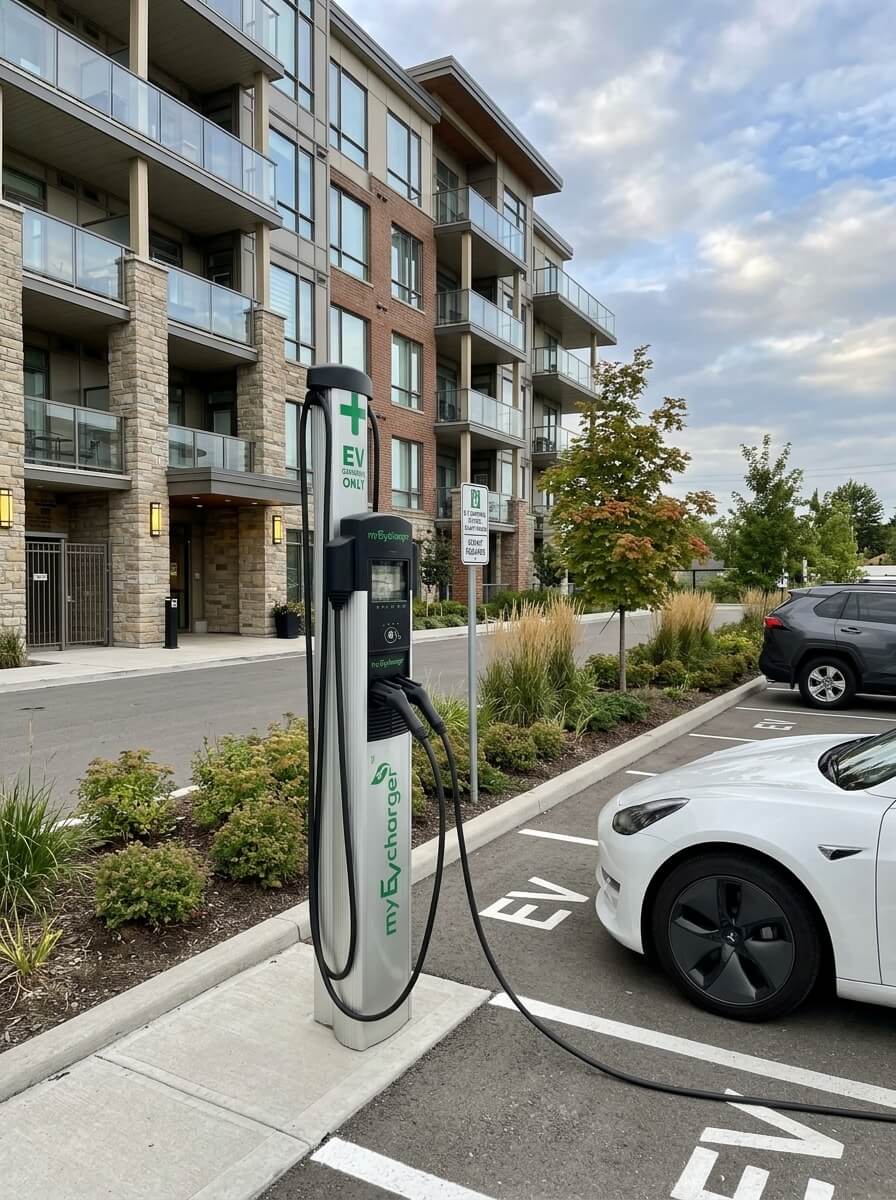
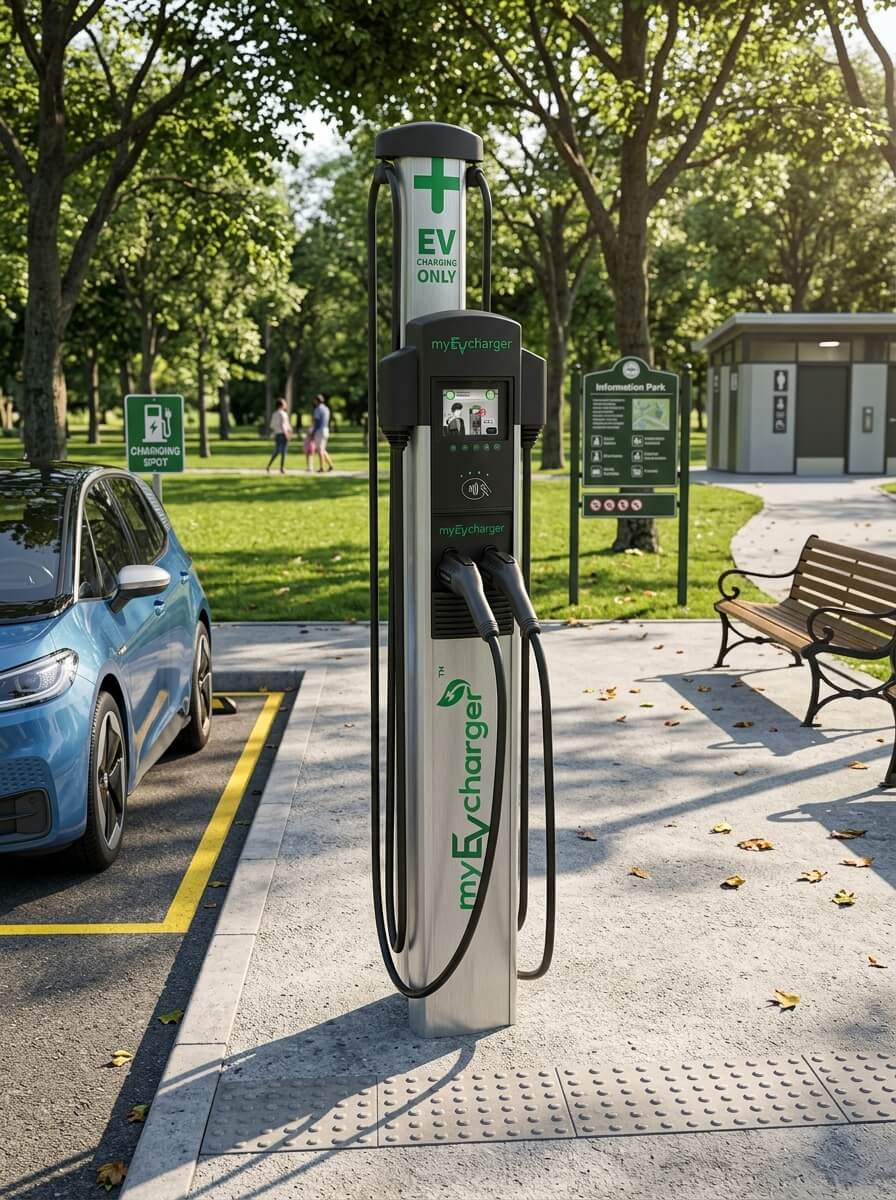
EV drivers don’t just sit in their cars while they power up; they shop, drink coffee, and eat. Strategic placement of public chargers turns a basic parking space into an economic driver. At the same time, public charging helps serve apartment dwellers, condo owners, and renters who rarely have access to dedicated home charging.
Smart Municipal Planning
What’s Included in a Municipal EV Charging Strategy
EV drivers don’t just sit in their cars while they power up; they shop, drink coffee, and eat. Strategic placement of public chargers turns a basic parking space into an economic driver.
Revenue and Infrastructure
Built for Long-Term Municipal Value
Public charging can transition from a municipal expense into a self-sustaining asset. Municipalities can set up flexible parking-plus-charging payment systems, while installing hardware now helps cities avoid far more expensive parking lot retrofits later and align proactively with modern building codes and green targets.
Why Municipalities Choose EV Charging
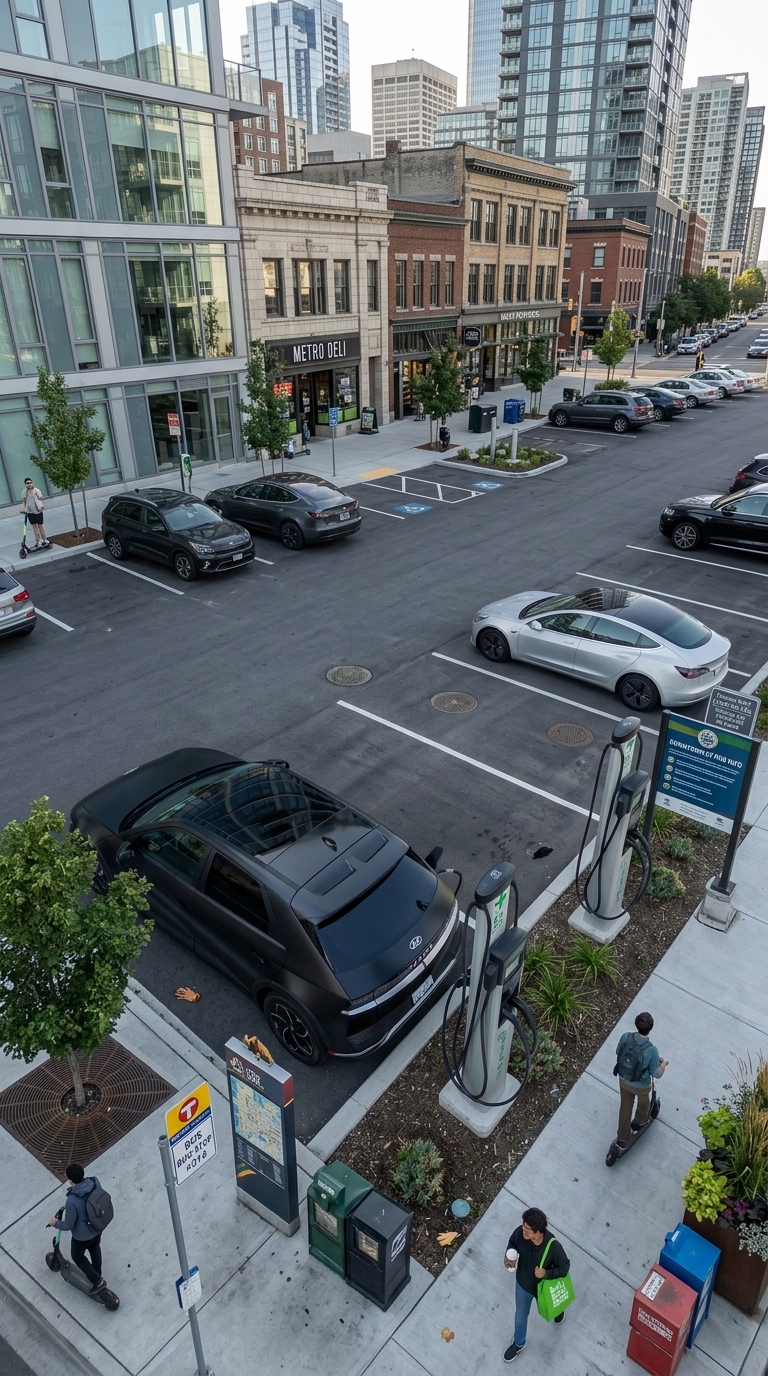
While global climate targets are important, municipalities are directly responsible for the health of their immediate residents. Eliminating internal combustion engine tailpipe emissions significantly decreases ground-level ozone and particulate matter, while EVs also operate nearly silently at low city speeds, making downtown walkways and dense urban corridors quieter and more pleasant to visit.
Capitalizing on Applicable Free Federal and State Capital
Building this infrastructure does not have to break the municipal budget. Local governments can layer multiple grant and incentive programs to cover nearly 100% of installation costs. 2026 Examples List Below, Visit our State & Federal Incentives Finder for more information.
Funding Level | Key Program / Benefit | Impact for Municipalities |
|---|---|---|
Federal | 30C Alternative Fuel Infrastructure Tax Credit | Covers up to 30% (or $100,000 per project). Tax-exempt cities can claim this as a direct cash refund from the IRS via Elective (Direct) Pay. |
State | Grants & Clean Vehicle Initiatives | Varies heavily, but states regularly offer $2,000 to $80,000 per charger specifically prioritizing public spaces and underserved zones. |
Utility | Utility “Make-Ready” Programs | Many power companies cover up to 100% of the expensive electrical work required to bring high-voltage lines to the parking stalls. |