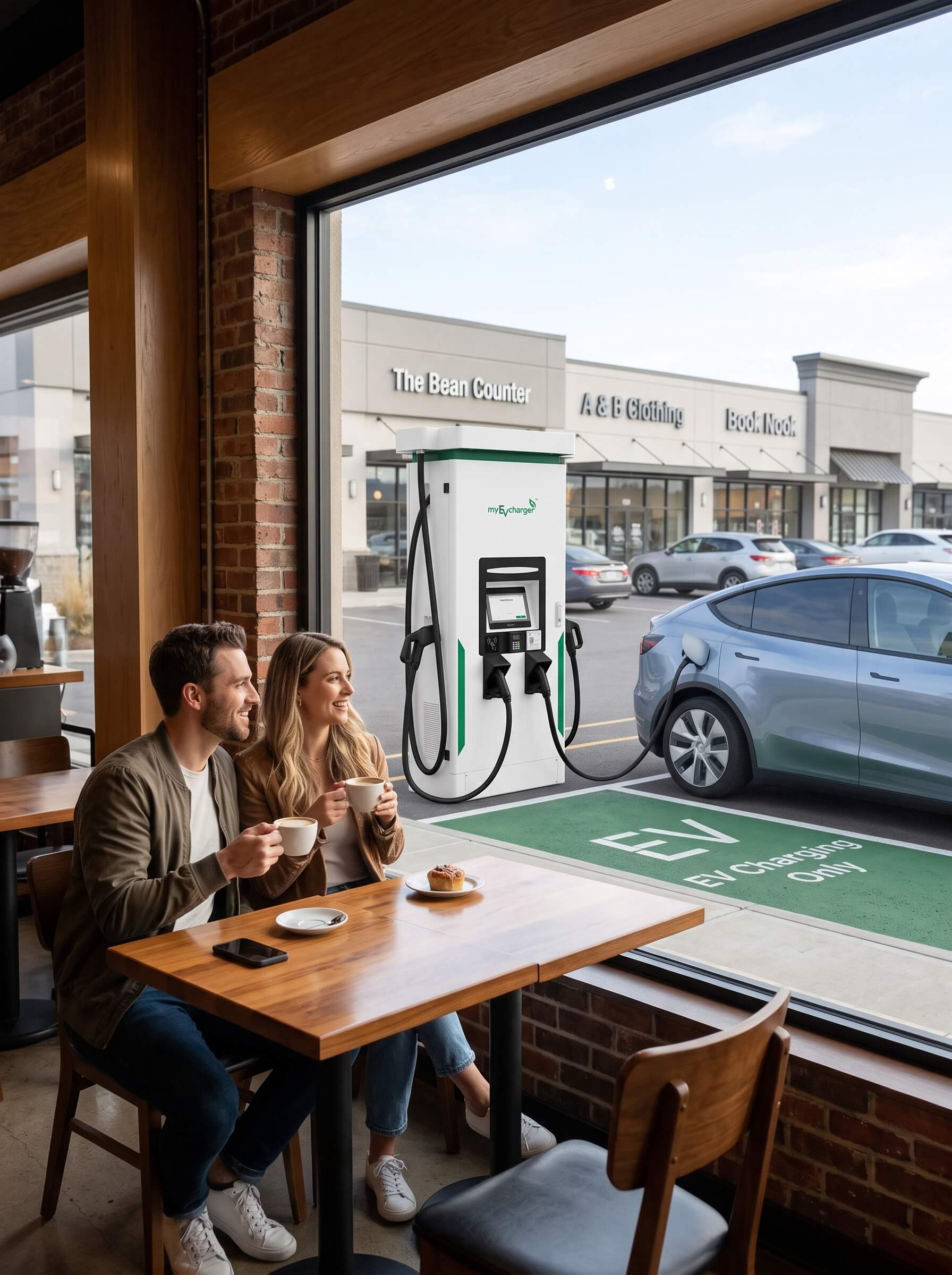
Powering Retail, Fuel Centers and Parking Facilities

Parking Charging Expertise

Capturing market share in the fastest-growing commercial infrastructure sector

Increased dwell time
Higher on-site spending
New revenue streams
Future-ready properties

Charging Solutions for Retail Traffic and Revenue

For malls, supermarkets, and lifestyle centers, EV drivers represent a highly coveted, affluent customer demographic. Traditional customers try to get in and out quickly, but an EV driver utilizes Level 2 destination chargers to add range while they shop, often spending an extra 15 to 45 minutes on-site per charging session.
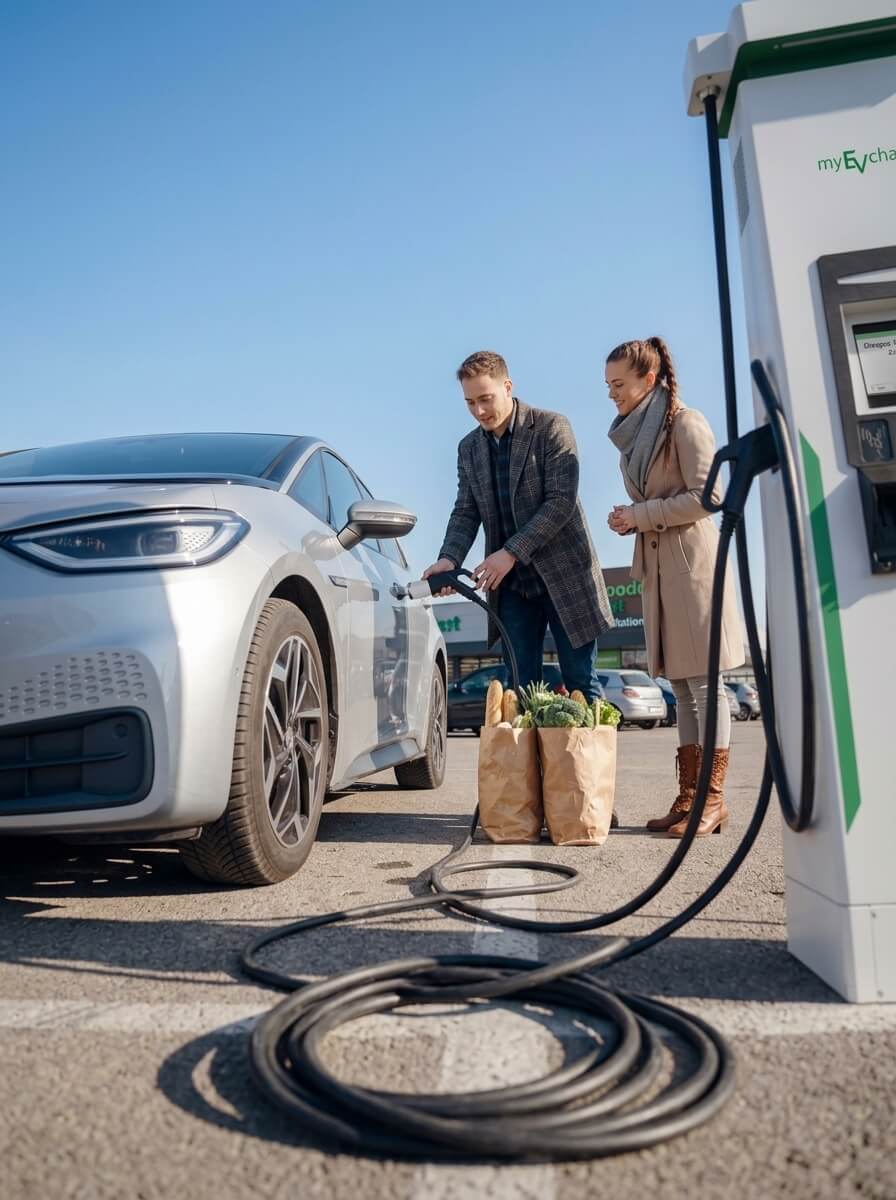
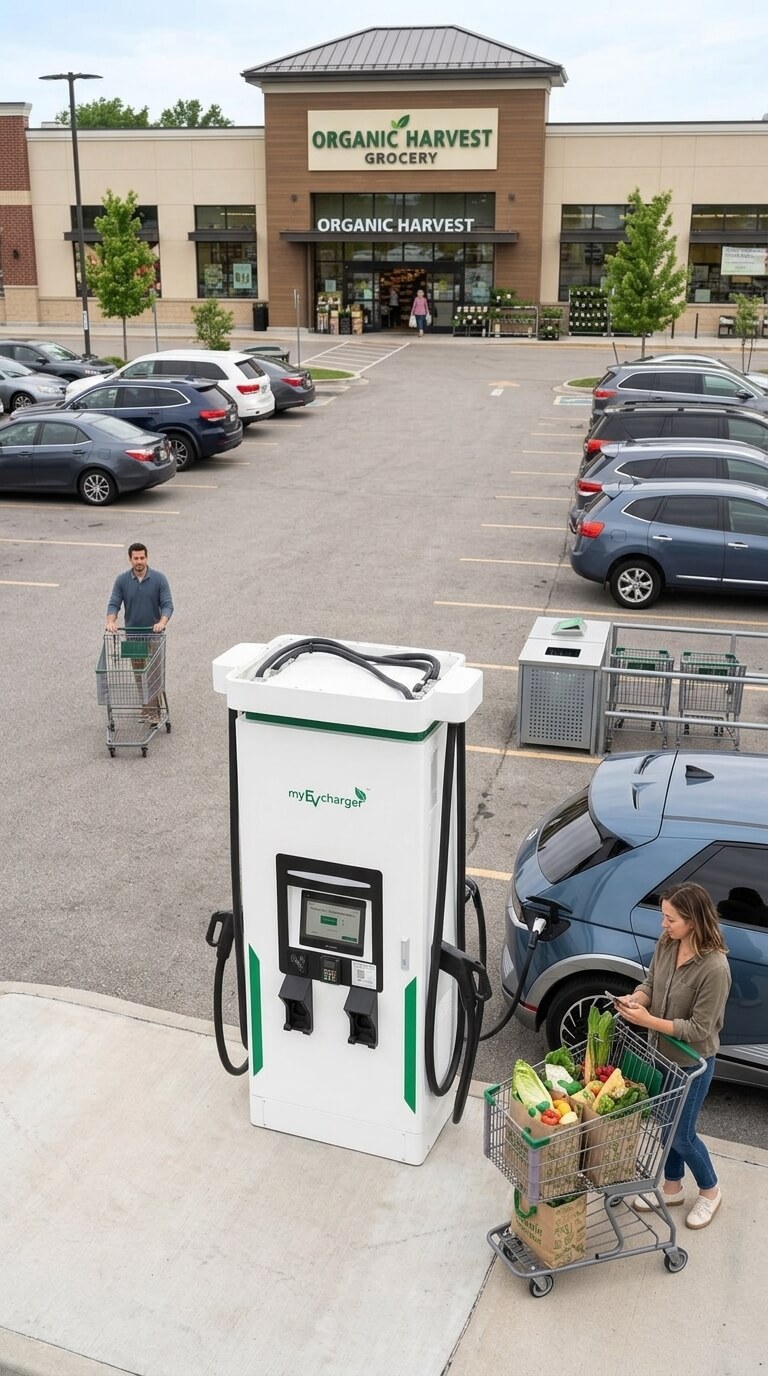
Retail Charging Strategy

What’s Included in a Retail EV Charging Solution

For commercial businesses, installing Electric Vehicle (EV) charging stations has transitioned from a niche “green” amenity to a high-yield revenue and traffic generator. Driven by a massive expansion of the domestic EV fleet, drivers now actively seek out businesses where they can charge their vehicles while going about their daily routines.

The dwell time multiplier: EV drivers willingly spend an extra 15 to 45 minutes on-site per charging session
Increased basket size: Longer dwell times directly correlate to increased spending
While the car draws power, the driver is inside buying groceries, eating at restaurants, or browsing retail aisles
App-based foot traffic: By hosting chargers, your retail location is pinned directly onto the digital maps drivers look at daily.

Fuel & Convenience Stations

Built for the Transition to Multi-Energy Hubs

High-margin backcourt sales: EV drivers using a 150 kW+ DC Fast Charger stay for 15 to 20 minutes.
Capturing quick-service revenue through food, coffee, restrooms, and loyalty program engagement.
Helps replace legacy fuel revenue with higher-margin convenience purchases.
Protects real estate value and highway-exit market share.

Why Parking Facilities Choose EV Charging

For commercial garages and surface lots, parking is traditionally a low-margin, space-rental business. Charging infrastructure changes the unit economics of a standard 9×18-foot parking space by creating new fee layers and helping operators attract repeat daily users.

Premium pricing for EV-only parking spaces
Charging fees layered on top of standard hourly parking rates
Passive revenue from idle fees after a vehicle reaches 100% charge
Stronger appeal for daily commuters and garage-orphan renters

Summary: Commercial EV Use Cases

Choose the right charging approach based on your property type, customer behavior, and revenue goals.

Business Type

Ideal Charger Level

Primary Business Goal

Key Financial Driver

Retail Centers

Level 2 AC (Cost-effective, 2-4 hour stay)

Attract high-income shoppers and increase time spent on-site.

Increased in-store sales and retail tenant
satisfaction.

Fuel Stations

Level 3 DC Fast (150-350 kW, 15-30 min stay)

Replace legacy fuel revenue and drive traffic into the c-store.

High-margin food, beverage, and convenience
sales.

Parking Facilities

Mix of Level 2 & DC Fast (Flexible stay lengths)

Maximize the real estate value of individual parking stalls.

Premium parking fees, charging markup, and idle-time penalties.

EV Charging for Commercial Properties FAQs

Level 3 fast charging is ideal for retail centers, providing high-speed, cost-effective power perfectly suited for typical 1 to 2-hour shopping visits.

By installing charging stations, properties can attract high-earning customers, encourage longer visits, and lift both retail sales and tenant satisfaction.

The primary objective is to replace declining fuel revenue by driving foot traffic into the store and boosting cross-selling opportunities across high-margin retail items.

A strategic blend of Level 2 and DC Fast chargers turns underutilized parking spaces into high-value assets, successfully drawing in daily commuters, long-term renters, and fleet partners alike.

Ultra-fast DC charging allows fuel stations to capture high-margin quick-service revenue while safeguarding their real estate value and highway-exit market share.

An EV charger generates revenue through two distinct streams: direct revenue (the immediate margin made on the electricity used) and indirect revenue (the financial side effects of having the charger on your property).

When a commercial property installs a smart EV charging system, it transitions from a property amenity into a multi-layered profit center.

Direct Revenue: The Charging Markup
Property owners essentially act as micro-utilities. You buy electricity from the grid at commercial rates and sell it to drivers at a premium. Modern smart charging software allows you to fully customize how you bill drivers:

Indirect Revenue: The “Host” Multiplier
● Often, the secondary economic lift a charger gives a property completely eclipses the direct money made on the electricity itself.
● The Customer Spend Multiplier: EV drivers generally align with a higher-income demographic. Data shows that retail consumers spend 20% to 30% more money at a business while their car is actively plugged in compared to standard shoppers.
● The Retail Dwell-Time Boost: Because charging takes time (usually 30 to 90 minutes at a retail center), drivers are a captive audience. Major retailers have found that adding EV charging can dramatically increase the time a customer spends browsing, which directly correlates to a larger receipt at checkout.
● Organic Digital Marketing: EV drivers do not look for gas signs; they open charging apps like PlugShare, ChargePoint, Google Maps, or Waze to plan their stops. By hosting a public charger, your business is automatically pinned on these digital maps, pulling in high-value foot traffic that would have otherwise driven right past your property

Secondary Revenue Streams
Premium commercial chargers offer modern, high-tech avenues to capture additional cash flow:
● Digital Out-of-Home (DOOH) Advertising: Many modern charging kiosks feature large, vibrant digital screens. Property owners can plug these displays into programmatic advertising networks to run commercials, generating passive ad revenue from local or national brands targeting your visitors.
● Carbon Credits & Environmental Incentives: Depending on your region, public charging hosts can generate and sell carbon offset credits (such as Low Carbon Fuel Standard credits) to fossil-fuel compliance buyers, creating a completely hands-off, backend revenue stream.
● The Big Picture: In the past, a parking space was a dead asset that cost money to pave, strip, and maintain. By adding a smart commercial charger, that blacktop becomes a dynamic storefront that actively acquires customers, extends their shopping time, and captures a highly scalable profit margin on energy distribution

Ready to Power Retail, Fuel, and Parking Facilities with EV Charging?

EV charging can help commercial properties attract more drivers, increase on-site spending, unlock new revenue streams, and future-proof valuable real estate.